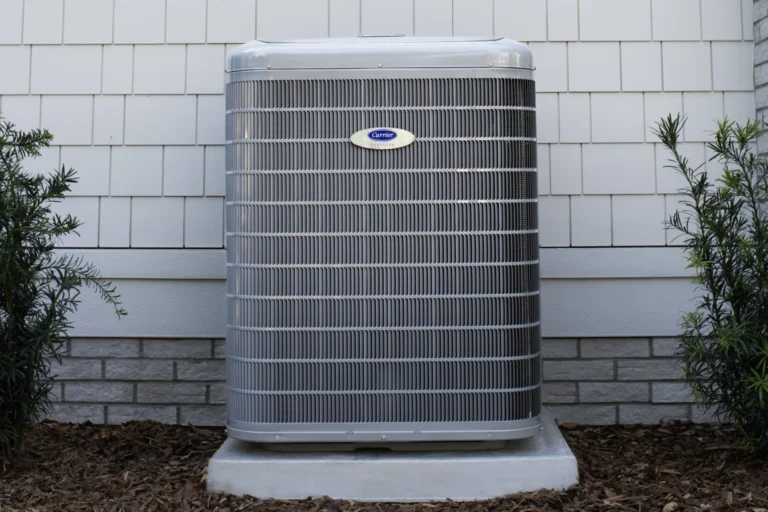

One system that both heats and cools a home sounds almost too convenient, yet that is exactly what a heat pump does. On a mild spring morning in Southwest Oklahoma, the same unit that kept your family warm in January is now pulling warm air out of the house to cool it. Many homeowners across Lawton, Geronimo, Elgin, Cache, Duncan, Comanche, Marlow, Fletcher, Central High, Walters, Apache, Hulen, Corum, and Velma are curious about this technology but are not sure how it works, whether it fits their home, or how it compares to the gas furnace and separate air conditioner they have always known. The questions are fair, and we hear them often. Below, we walk through what a heat pump is, how it operates, and when it makes sense for your family.
What a Heat Pump Actually Does
A heat pump is a single piece of equipment that moves heat from one place to another rather than creating heat by burning fuel. In the summer, it pulls heat out of your indoor air and releases it outside, cooling your home the same way a traditional air conditioner does. In the winter, it reverses the process, drawing warmth from the outdoor air and bringing it inside. Even when the air outside feels cold, it still contains usable heat energy, and a heat pump is engineered to capture it.
Because it transfers heat instead of generating it, a heat pump can deliver several units of warmth for every unit of electricity it consumes. That efficiency is a large part of why so many families in our service area are taking a second look at this technology. When we started Davis Air Conditioning / Heating in 1976, we had one goal in mind – providing area families with comfort solutions that fit not only their lifestyle, but their pocketbook. A properly sized heat pump often fits that goal well, giving a household year-round comfort from one system.
How the Technology Works Step by Step
The heart of a heat pump is the refrigerant cycle, a closed loop of compressed and expanded gas that carries heat along its path. Understanding the basic stages makes the technology far less mysterious and helps explain why maintenance matters so much.
- Evaporation: refrigerant absorbs heat from the air, either indoors or outdoors depending on the season, and turns from a liquid into a gas.
- Compression: the compressor pressurizes that gas, which raises its temperature and prepares it to release the heat it carries.
- Condensation: the hot, pressurized gas gives off its heat and returns to a liquid state, delivering warmth where it is needed.
- Expansion: the refrigerant passes through an expansion valve, drops in pressure and temperature, and the cycle begins again.
A component called the reversing valve is what sets a heat pump apart from a standard air conditioner. By changing the direction the refrigerant flows, this valve lets the same equipment both heat and cool. When our factory-trained professionals install or service a system, this valve, the compressor, and the two coils are central to the checks we perform. Small issues in any of these parts affect efficiency, so we inspect them carefully during every visit.
Common Questions Homeowners Ask Us
One of the first concerns we hear is whether a heat pump can keep a house warm during an Oklahoma cold snap. The honest answer is that modern heat pumps perform well across the range of temperatures common in our region, and many models include supplemental electric heat strips that activate automatically on the coldest days. This means your family stays comfortable even when the outdoor temperature drops below the point where the heat pump alone would work hardest.
Another frequent question involves the difference in feel between heat pump warmth and furnace warmth. A gas furnace produces very hot air in short bursts, while a heat pump delivers a steadier, gentler stream of warm air over longer cycles. Some homeowners need a short adjustment period, but most come to appreciate the even temperatures and the absence of the hot-cold swings that shorter furnace cycles can create. We are always happy to explain what to expect before installation so there are no surprises.
Where Heat Pumps Fit Best
Heat pumps serve a wide variety of homes and situations. The following examples show where this equipment tends to shine, and why so many households in Cache, Duncan, Elgin, Fort Sill, Geronimo, and Lawton choose it.
- All-electric homes: properties without a natural gas line gain efficient heating and cooling from one source, avoiding the cost of propane or electric resistance heat alone.
- Room additions and converted spaces: ductless mini-split heat pumps condition a single room without the need to extend existing ductwork, which is ideal for garages, sunrooms, and finished attics.
- Energy-conscious households: families focused on lowering monthly utility use often find that a high-efficiency heat pump reduces consumption compared to older split systems.
Each of these scenarios calls for different equipment and sizing. A unit that is too large will cycle on and off too quickly, and one that is too small will struggle to keep up on peak days. We calculate the correct capacity for each home based on square footage, insulation, window placement, and other factors, rather than relying on rough guesses.
Technical Specifications Worth Knowing
When comparing heat pumps, a few ratings describe how well the equipment performs. SEER, which stands for Seasonal Energy Efficiency Ratio, measures cooling efficiency over a season, and higher numbers indicate lower cooling costs. HSPF, the Heating Seasonal Performance Factor, does the same for heating. A third figure, the compressor type, tells you whether a unit runs at a single speed, two speeds, or variable speeds. Variable-speed compressors adjust output in fine steps, which improves comfort and efficiency but comes at a higher upfront cost.
Refrigerant type matters as well. Newer systems use environmentally improved refrigerants, and matching the correct charge to the equipment is critical for both performance and longevity. Because these specifications directly affect your comfort and your utility bills, we take time to review the options with you. With our fleet of trucks and warehouse full of parts and equipment, all your indoor weather solutions are just minutes away, so repairs and replacements rarely require a long wait.
Keeping a Heat Pump Running Well
Like any system that runs year-round, a heat pump benefits from regular attention. Because it operates in both seasons, it logs more running hours than a system that only cools, which makes routine maintenance especially valuable. During a maintenance visit, our technicians clean the coils, check the refrigerant charge, test the reversing valve, inspect electrical connections, and confirm that the defrost cycle works correctly. Catching a weak capacitor or a low charge early prevents the larger failures that tend to appear on the hottest or coldest days.
We recommend a professional check twice a year, once before the cooling season and once before the heating season, with simple filter changes handled by homeowners in between. This rhythm keeps the equipment efficient and extends its service life. Whether you need routine maintenance, emergency repair, replacement equipment, or a complete system replacement, we are ready to help, and we treat every home as if it were our own.
Talk With Davis Air Conditioning / Heating
Choosing a heat pump is a decision that affects your comfort and your budget for many years, so it deserves a clear and honest conversation. We are glad to walk your home, answer your questions, and recommend only what your household truly needs. As Southwest Oklahoma’s trusted team for installation, service, and repair, we have spent decades earning the confidence of local families, and that trust guides every recommendation we make.
If you are weighing a heat pump for a new install, a replacement, or an addition, reach out to Davis Air Conditioning / Heating today. We are the people you can count on for all your family’s home comfort needs, and we look forward to helping you find the right solution for your home.