Understanding Your System’s Warning Signs
When your HVAC system starts acting up, recognizing the early warning signs can mean the difference between a minor inconvenience and a major breakdown. At Davis Air Conditioning, we’ve been helping homeowners across Lawton, Duncan, Fort Sill, and surrounding Oklahoma communities identify and respond to these critical signals since 1976. Your air conditioning and heating systems communicate problems through various symptoms including unusual noises, inconsistent temperatures, strange odors, and unexpected cycling patterns. Grinding or squealing sounds often indicate belt problems or motor bearing failures, while banging or clanking noises might suggest loose components that could cause serious damage if left unaddressed.
Temperature inconsistencies throughout your home frequently point to airflow restrictions or failing components within your system. If certain rooms remain uncomfortable while others reach the desired temperature, your ductwork might have developed leaks, or your system’s blower motor could be struggling to maintain proper air circulation. These issues typically worsen over time, leading to increased energy consumption and reduced equipment lifespan. Our factory-trained professionals regularly encounter systems where early intervention could have prevented extensive repairs, which is why understanding these warning signs proves invaluable for every homeowner.
Immediate Actions for Complete System Failure
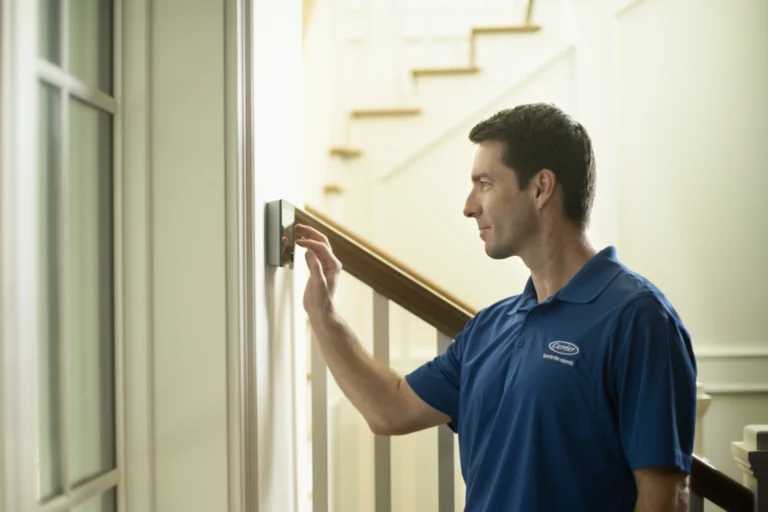
Complete system failure during extreme weather conditions represents one of the most stressful HVAC emergencies homeowners face. Before calling for AC repair or heating service, several troubleshooting steps can potentially restore operation or at least help diagnose the problem for faster resolution once technicians arrive. First, check your thermostat settings and ensure the system switch sits in the correct position for either heating or cooling mode. Many emergency calls result from accidentally switched-off systems or incorrectly programmed thermostats. Replace thermostat batteries if your model requires them, as dead batteries can completely disable system operation despite having power to the unit itself.
Next, inspect your electrical panel for tripped breakers or blown fuses. HVAC systems typically require dedicated circuits, and power surges or electrical issues can trip these safety devices. If you find a tripped breaker, reset it once, but if it trips again immediately, stop and wait for professional assistance as this indicates a serious electrical problem. Check your outdoor unit for visible obstructions like debris, ice buildup, or vegetation that might prevent proper operation. During our decades of providing HVAC installation and maintenance throughout Cache, Elgin, and Geronimo, we’ve found that simple power issues account for nearly thirty percent of emergency service calls.
Managing Refrigerant Leaks and Frozen Components
Refrigerant leaks present serious challenges requiring professional AC service, but recognizing the symptoms and taking proper preliminary action can minimize damage and discomfort. Ice formation on your indoor evaporator coil or refrigerant lines indicates either insufficient refrigerant levels or restricted airflow. When you notice ice buildup, immediately turn off your cooling system to prevent compressor damage, which represents one of the most expensive AC repair scenarios. Switch your thermostat to fan-only mode to help thaw the ice naturally while improving air circulation throughout your home.
- Check and replace your air filter: Dirty filters restrict airflow and contribute to freezing problems
- Ensure all supply vents remain open: Closed vents create pressure imbalances leading to coil freezing
- Clear condensate drain lines: Blocked drains cause water backup and potential system shutdown
- Document frost patterns: Note where ice forms to help technicians diagnose the issue faster
Responding to Electrical and Safety Concerns
Electrical problems within HVAC systems demand immediate attention and careful handling to prevent fire hazards or equipment damage. Burning smells from your vents or equipment indicate overheating components, worn electrical connections, or motor failures requiring prompt professional intervention. If you detect burning odors, immediately shut down your system at both the thermostat and circuit breaker, then allow components to cool before inspection. Never attempt to operate a system exhibiting electrical problems, as continued operation could result in complete component failure or create dangerous conditions within your home.
Strange electrical behavior such as flickering lights when your system cycles, frequent breaker trips, or unusual buzzing sounds from electrical components suggests serious wiring issues or failing capacitors. These problems often develop gradually in aging systems but can occur suddenly due to power surges or component failure. With our fleet of trucks stationed throughout the service area and warehouse full of parts and equipment, we understand that electrical emergencies require swift response. While waiting for professional air conditioning installation or repair services, document when these electrical anomalies occur and whether they correlate with system operation cycles, as this information helps technicians quickly identify and resolve the underlying cause, ensuring your family’s comfort and safety throughout the year.